
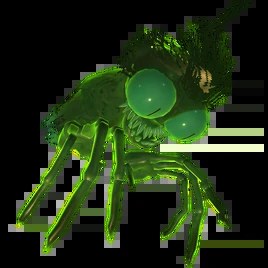
How the game behaves · R.E.P.O. v0.4.0 · read from a local copy
How many monsters a level will send
The level has an enemy director with three difficulty settings of its own.
The monsters in an R.E.O. level are budgeted rather than sprinkled: a director keeps three difficulty settings, amount curves for each, a pause between spawns and its own despawn times.
What the game establishes
- The level has an enemy director with three difficulty settings of its own. (checked against the game's own files)
- Each difficulty has its amount curves in pairs. (checked against the game's own files)
- There is a curve for how long the director pauses between spawns. (checked against the game's own files)
- There are two curves for how long a monster is allowed to stay before it despawns. (checked against the game's own files)
- Despawns decrease with time, given as a number of minutes and as a percentage. (checked against the game's own files)
- The director counts the enemies it has spawned. (checked against the game's own files)
In play
The monsters in a level are decided rather than scattered. A director holds the plan, and it holds three difficulty settings of its own, so the same level can be run at more than one level of pressure without being rebuilt.
Each difficulty has amount curves, and they come in pairs. Keeping two curves per difficulty means the number of monsters can be shaped by something other than one line, and it means the three settings do not have to share a rule.
There is a pause between spawns as well. A curve of its own decides how long the director waits while nothing is happening, which is why a level can be quiet for a while and then busy without either state being random.
Despawning is on a timer, too. There are two curves for how long a monster is allowed to stay, which is how the game can clear a level out rather than letting it fill up with everything it has ever sent.
What has gone away affects what comes next. There are values for how much despawns decrease with time, given both as a number of minutes and as a percentage, so the director can ease off as a run goes on.
It counts what it has spawned. Keeping a running count means the director can decide on the total rather than on each monster in isolation, which is the difference between a budget and a queue.
Put together with the loot director, a level is a set of quotas: so much value in valuables, and so many monsters at a chosen difficulty, each with its own curves and its own pause.
What this entry does not tell you: what any of the curves are set to, how many monsters a level may hold, or how the three difficulties differ. We have not verified those numbers, so we do not print them.
Related
 ValuablesHow many valuables a level holdsA director decides the valuables in a level, with an amount curve for each size.
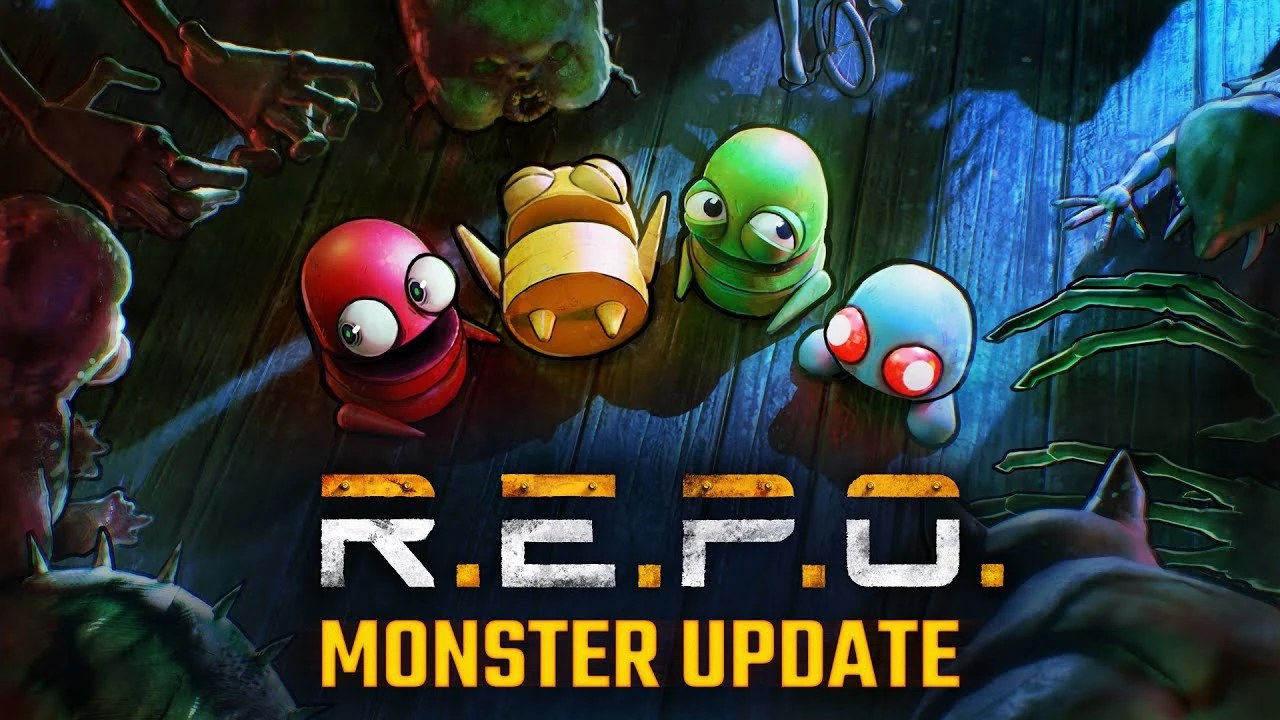 MonstersEnemies and what they doThe game defines several distinct monsters rather than one enemy type.
Version and sources
A local copy of the game, read only. The grounding for each fact is listed on the technical reference pages; nothing here is estimated. Documented build: 0.4.0.