
Maps and levels · R.E.P.O. v0.4.0 · read from a local copy
The music and ambience of a level
The music is run by a manager with states for on, off and scare-only.
A level in R.E.P.O. has music and background sound of its own: the game keeps mixer states for it, three separate musical states for enemies, and an ambience made of a loop, a volume and a list of breakers.
What the game establishes
- The music is run by a manager with states for on, off and scare-only. (checked against the game's own files)
- A monster being near, being sighted and catching someone are three separate musical states. (checked against the game's own files)
- Level music is played with a fade curve and a shortest and longest wait between pieces. (checked against the game's own files)
- A level's ambience is its own data: a looping clip, a volume and a list of breakers. (checked against the game's own files)
- A breaker is a named interruption with its own sound and volume. (checked against the game's own files)
- A level names the music preset and ambience presets it uses, and it can hold a constant music preset of its own. (checked against the game's own files)
- A cue for a nearby monster carries an on-screen distance, a fade speed and its own tracks. (checked against the game's own files)
- The build ships a state-variable filter for audio, with a frequency, a resonance, a drive and an additive gain. (checked against the game's own files)
- The build keeps further ambience loops of its own, a creep whisper, an underground one, one for driving the truck and ones for a shop harbour and a dead forest among them. (checked against the game's own files)
In play
A level does not only contain monsters. It has music and background sound of its own, and the game keeps those apart from the noises the monsters make.
The music is run by a manager with mixer states rather than one playlist. There is a state for the music being on, one for it being off and one for it being limited to scares, which is how the game can hold the music back and then spend it.
Enemies have their own music. A monster being near, being sighted and catching someone are three separate musical states, so what you hear tells you how close the trouble is rather than only that there is trouble.
A level's music is played on a rhythm. There is a fade curve and a shortest and longest wait between pieces, so the music arrives and leaves rather than stacking up continuously.
Ambience is data of its own. A level's ambience is a clip that loops, a volume and a list of breakers, so the background can change instead of being one fixed hum for the whole level.
A breaker is a named interruption with a sound and a volume behind it. That is how a level can drop its ambience for something specific and then return to the loop underneath.
The choice of music is a property of the level. A level names the music preset and the ambience presets it uses, and it can carry a constant music preset instead, so which sound belongs to a map is decided with the map.
Because the music, the enemy states and the ambience are separate, a level can be quiet while something is hunting you and loud while nothing is, which is the game using sound as information rather than decoration.
The approach of a monster has its own cue. That cue carries a distance at which it counts as on screen, a fade speed and tracks of its own, which is why the music can close in on you before the monster does.
What this entry does not tell you: which pieces a level uses, how loud any of it is, or how long the waits between pieces are. We have not verified those numbers, so we do not print them.
Related
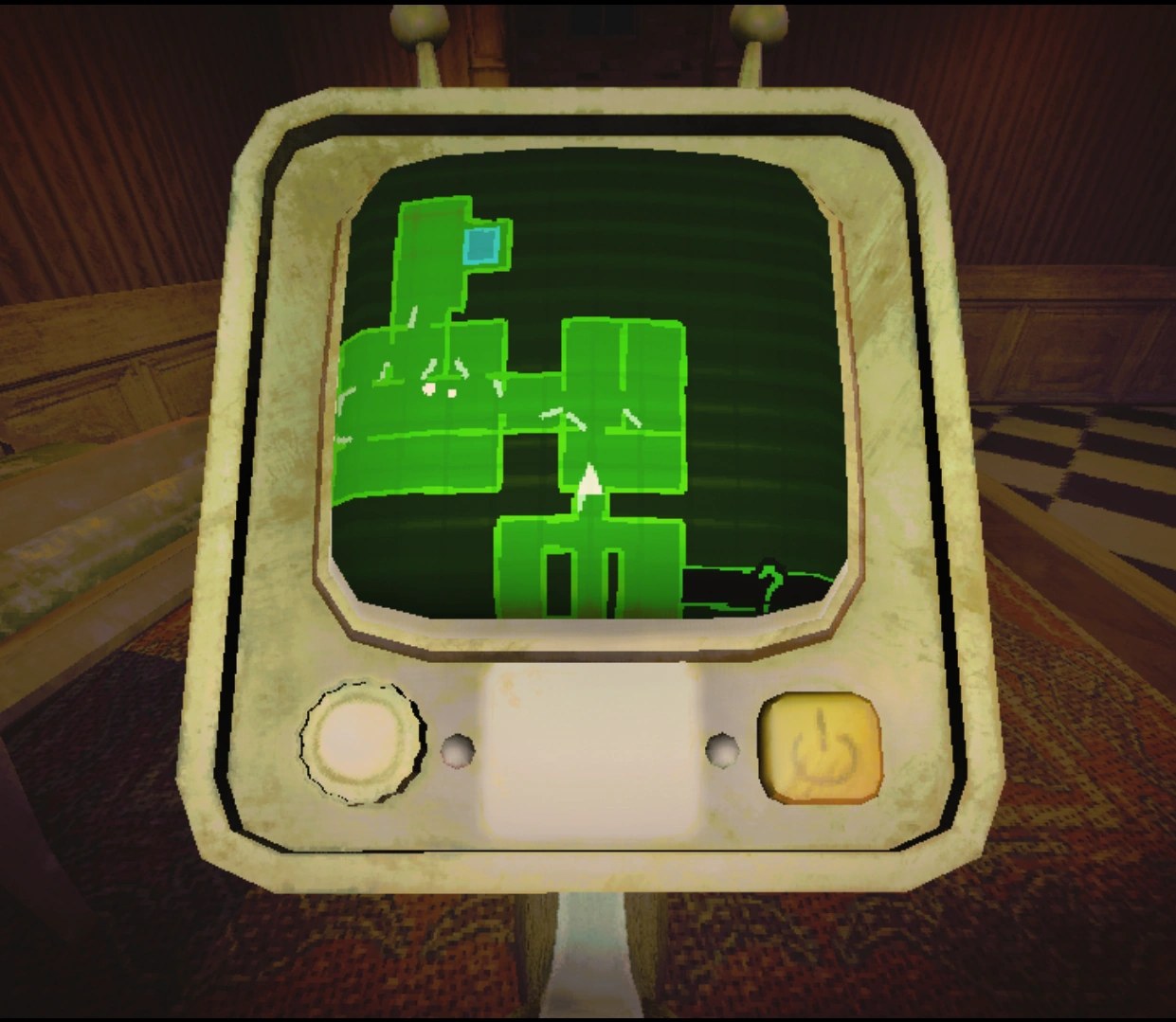 Maps and levelsThe level themes and what they holdThe game ships separate level artwork per theme, including arctic, manor, museum and forest.
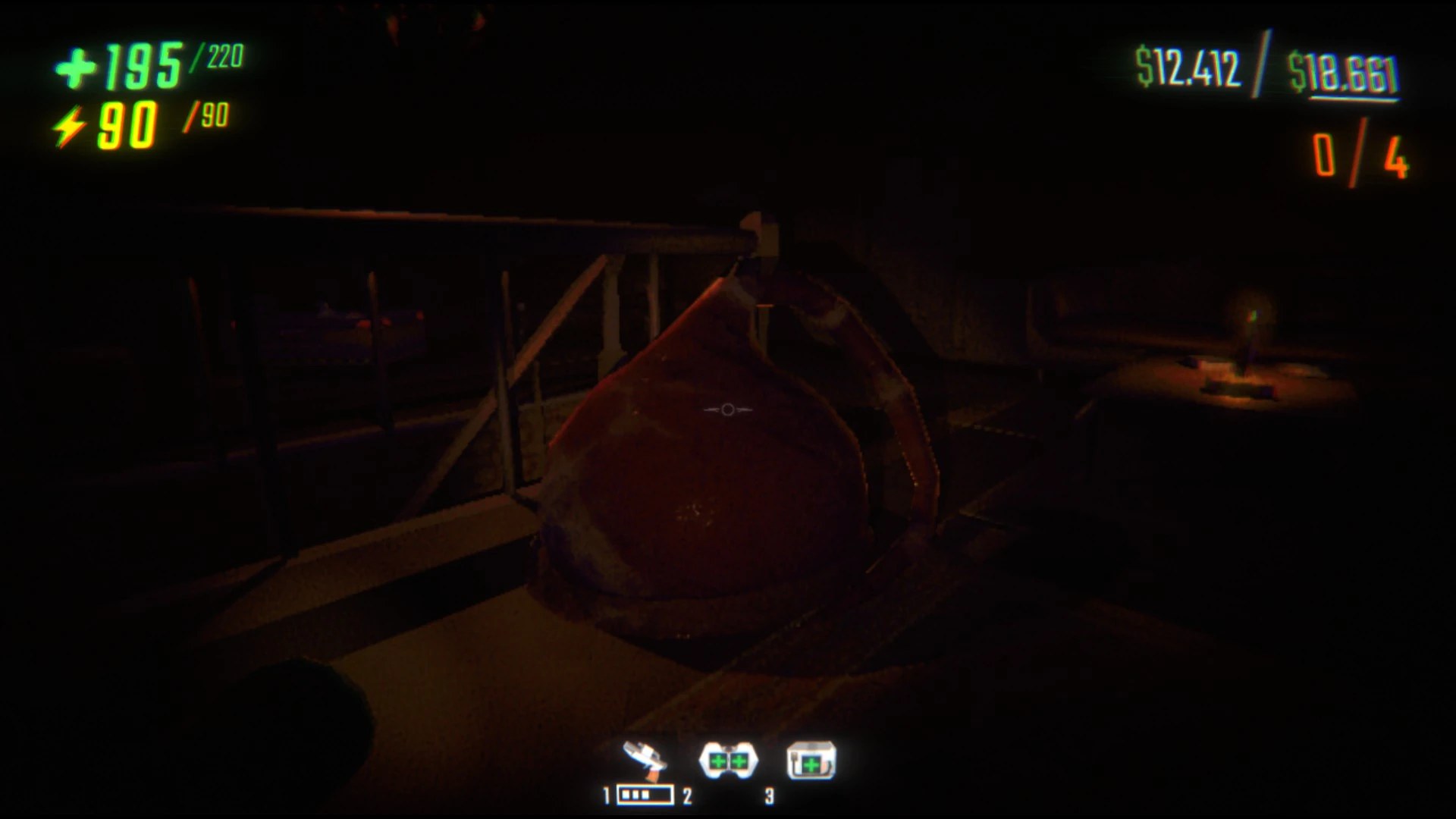 MonstersHow monsters find youThe game tracks which room a player is in.
Version and sources
A local copy of the game, read only. The grounding for each fact is listed on the technical reference pages; nothing here is estimated. Documented build: 0.4.0.