
Guide
Reading the music and the radio
How music works in R.E.P.O.: the shop's radio is an object with its own clips, while a level's music is run by a manager whose states tell you whether something is near, has seen you or has you, with ambience that can be broken by named interruptions.
Applies to
0.4.0, read from the copy of the game this site was built from (see the sources page)
Before you start
- A run in progress
- A shop visit between runs
- A moment to listen
Steps
- Treat the shop's radio as an object rather than a settings toggle, because it has a music source, a speaker and a set of clips of its own.
the radio is an object with a music source of its own and its own set of clips - Expect the radio to misbehave as part of its behaviour, because it has a glitch sound and a loop for it.
it has its own glitch sound and a loop for it - Watch it as well as listen, because it can spark and smoke.
it can spark and smoke as part of its behaviour - Treat the level's music as information rather than atmosphere, because it is run by a manager with states of its own, including a scare-only state.
the music is run by a manager with states for on, off and scare-only - Learn the three warning states: something being near, being sighted and catching someone are separate pieces of music.
a monster being near, being sighted and catching someone are three separate musical states - Do not expect the level's music to run continuously, because it is played with a fade and a wait between pieces.
level music is played with a fade curve and a shortest and longest wait between pieces - Know that a level's background sound is data of its own: a looping clip at a volume.
a level's ambience is its own data: a looping clip and a volume - Expect that ambience to be interrupted, because it keeps a list of breakers.
the ambience carries a list of breakers - When the background sound stops, look for the cause: a breaker is a named interruption with its own sound and volume.
a breaker is a named interruption with its own sound and volume - In the shop, decide what the radio is for knowing that its clips are its own set rather than the level's, so shop music says nothing about a monster.
the shop radio carries its own set of music clips
Common mistakes
- Treating the level's music as background and missing the piece that means something has seen you.
- Assuming silence means safety, when the ambience is broken by named interruptions.
- Expecting continuous music when the level fades out and waits between pieces.
- Reading the shop radio as a monster warning, when its clips are a set of its own.
Related entries
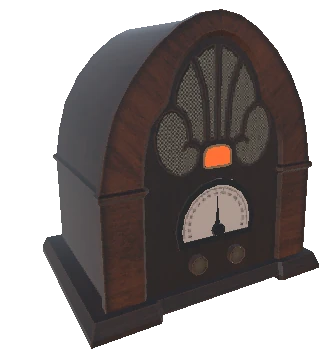 Extraction and the shopThe radio in the shopThe radio is an object with a music source of its own.
 Maps and levelsThe music and ambience of a levelThe music is run by a manager with states for on, off and scare-only.
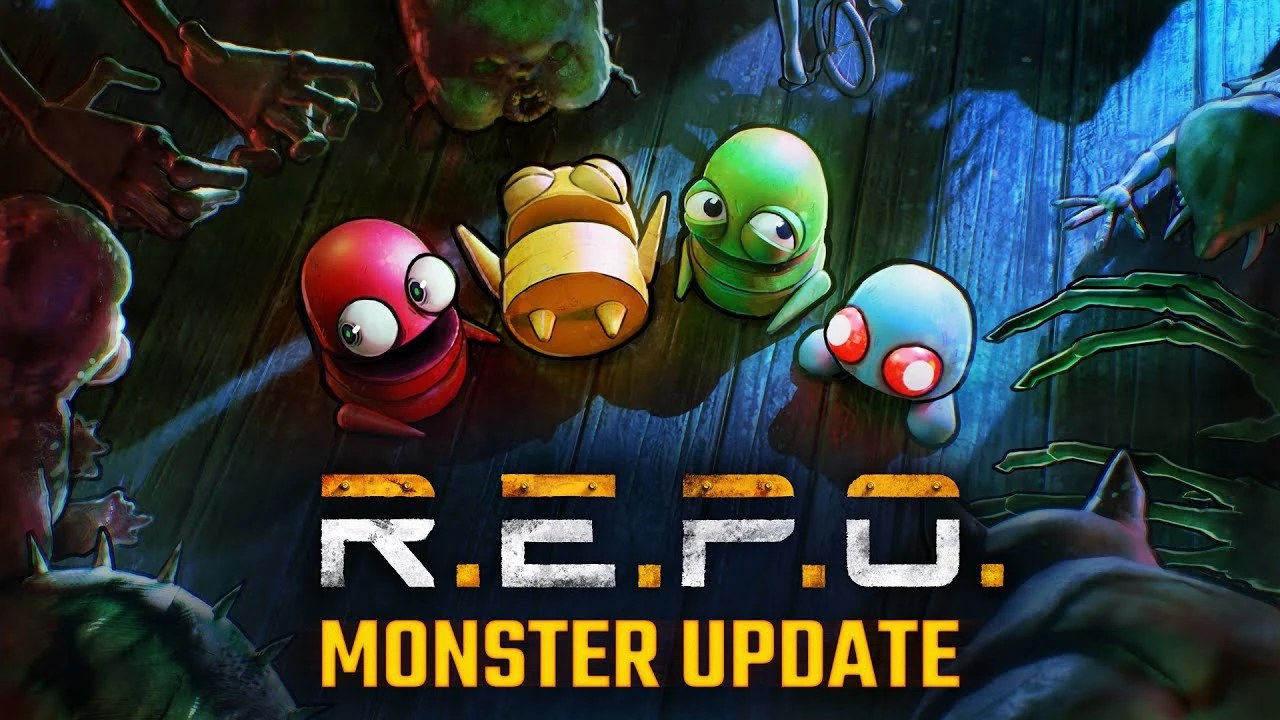 MonstersEnemies and what they doThe game defines several distinct monsters rather than one enemy type.
Sources
A local copy of the game, read only. The grounding for each step is listed on the technical reference pages; nothing here is estimated.